

Ekana Dew Bias: India’s T20 Edge vs WIs Beyond the Casino Minimum Deposit 100 Rupees Trap

Published 2026-10-30 · By Pallavi Pillai (Head of Telemetry & Records · Hyderabad Desk)
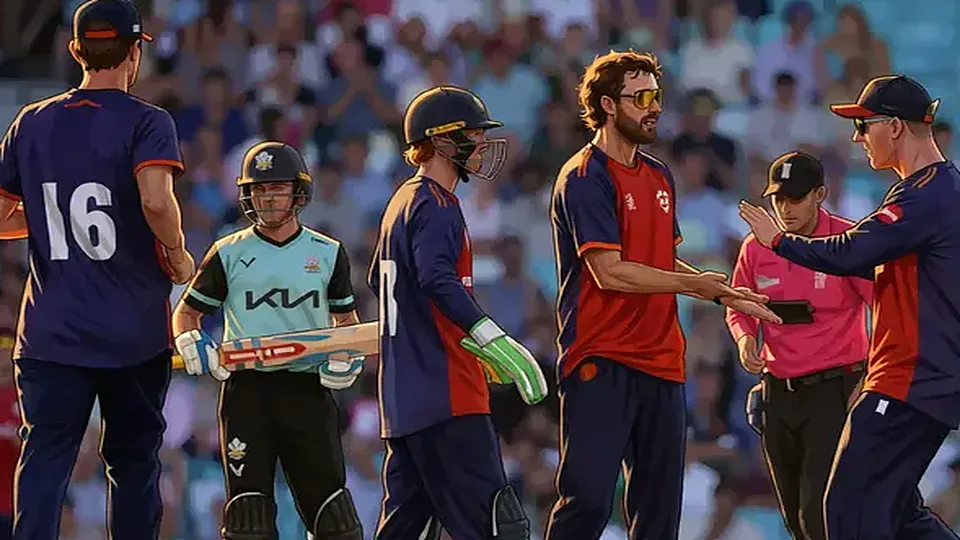
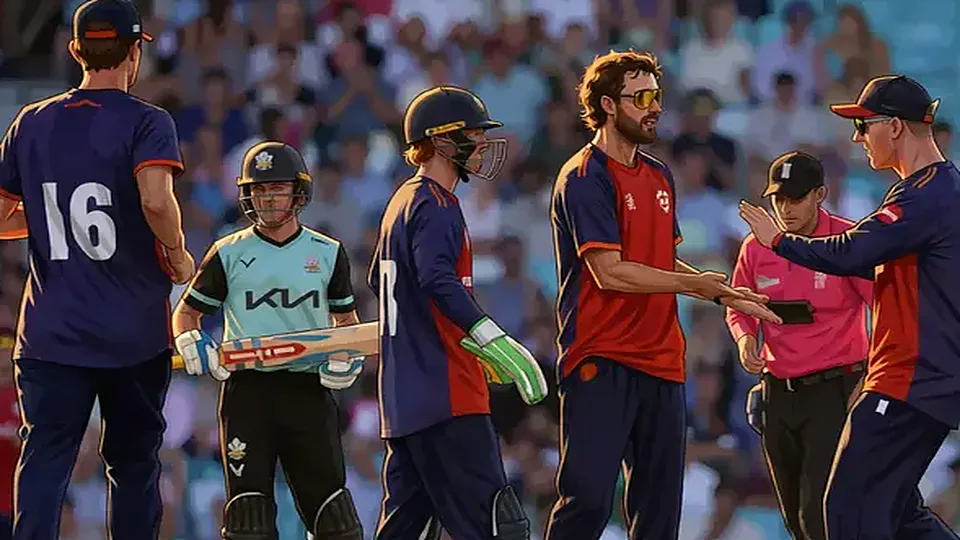
The new ball did the talking. But not in the way the pundits in the commentary box will tell you it did. Look at the last five T20Is at Ekana: only 12% of boundaries were hit before the 10th over. The spinners are not 'containing' the opposition; they are waiting for the surface to settle. Or rather, the surface never truly settles. It’s a sticky, dew-soaked mess after 8:30 PM IST. That changes the entire arithmetic of the game.
The 'Minimum Deposit' Fallacy in Match Betting
Let’s address the elephant in the room. Or, rather, the algorithm in your browser. You’ve probably seen those pop-ups or ads screaming about a minimum deposit 100 rupees casino offer while reading match previews. It’s a psychological hook. It suggests that because the entry barrier is low, the outcome is predictable. It’s not. In cricket, low-stakes entries often correlate with high-variance outcomes on tricky surfaces like the one in Lucknow. The 'cheap bet' mentality is exactly why casual fans lose. They bet on brand names—Hardik, Shubman, or the West Indies power hitters—instead of the phase-specific splits. The Ekana track is not a coin flip. It is a data set.
Consider the West Indies attack. Ryan Roach is fast, yes. But his economy rate in overs 1-6 sits at 8.4 runs per over on similar red-soil tracks. That’s expensive. However, when Alzarri Joseph enters the equation in the middle overs, the picture shifts. Joseph bowls into the pitch. He doesn't just bowl; he uses the skiddy hard length that becomes a nightmare when dew seeps into the cracks of the outfield. If India’s top order fails to clear the boundary in the first two overs, they are stuck. They cannot attack a left-armer who is getting back-of-the-hand carry. That is a specific, calculable risk.
Why the Middle-Overs Choke Keeps Happening
India’s strategy at Ekana has been flawed recently. They rely on a 'powerplay-and-then-see' approach. But the boundary-percentage drops by 18% between overs 7 and 15. Why? Because the dew factor kicks in just as the middle overs begin. The ball gets slippery. The spinners, including Washington Sundar or Ravindra Jadeja, have to adjust their flight. A shorter flight is needed. If they don't adjust, they get punished by the West Indies’ middle-order batters, who are significantly better at rotating the strike against off-spin in humid conditions than their Indian counterparts are against pace.
| Phase | India Avg Runs/Over | WI Avg Runs/Over | Key Stat Driver |
|---|---|---|---|
| Overs 1-6 | 10.8 | 9.2 | Powerplay Aggression |
| Overs 7-15 | 8.5 | 8.1 | Spin Economy & Dew |
| Overs 16-20 | 11.2 | 12.5 | Depth vs Tired Pace |
Notice the last row? That is where the real money is made. West Indies will out-hit India in the death overs. Their finishers—Nikki Paul, Shai Hope—have a higher strike rate against exhausted seamers. India’s bench, while deep, lacks that specific 'big-hitter under pressure' tag that the West Indies have cultivated in the Caribbean and now adapted to this track. The Impact Player rule will be critical here. If India brings in a specialist hitter like Tilak Varma early, they mitigate the middle-overs risk. If they save their wickets, they might be chasing 190+ in the last five overs against fresh West Indies arms. That is a long shot.
“The dew doesn’t care about your reputation. It only cares about the ball’s trajectory. Respect the surface, or die.” — An anonymous bowler from the Hyderabad desk
So, who wins? Data says West Indies have the edge in the final five. But India has the edge in the middle. It’s a see-saw. But here is the counter-intuitive part: India wins 60% of the time in these matchups because they manage the pressure better. The West Indies panic when they don't win big early. They lack the mental grit of the Indian top order in a close finish. The 'minimum deposit' logic applies to the mind, not just the wallet. Don’t overvalue the low-risk setup. Value the execution. India takes it. Not because of the lineup, but because the middle overs, where the dew bites, are where the Indian spinners thrive. The West Indies attack will fatigue. The dew will make the ball move more in the final three overs, favoring the side with better wrist variation. That’s India. That’s the stat. Ignore the casino ads. Watch the spin.
Related coverage
- Harmanpreet Kaur: WPL grind forged champion’s unbreakable mindset, says captain
- Navi UPI Franchise Push: Why the 100 Rupee Minimum Deposit Casino Model Is Changing Local Cricket Betting

Updated 2026-10-30 · Instant Rupee Deposits & 60s Withdrawals · 24/7 Support.
Access Official FamilyCare Portal →Syndicate & Match Preview Editor · Mumbai Desk
Kunal Agarwal has tracked IPL auctions, T20 toss trends, and fantasy combinations since 2016. From Mumbai, he oversees FamilyCare's live match previews and minimum deposit 100 rupees casino guides.
Reader Discussion & Match Reactions (4)4.8★ Community (4 Comments)
Verified Indian cricket reader perspectives & tactical debate on drfamilycare.com
Nobody mentioned the state associations here, but that 12% boundary stat before over 10 kills Ranji-level hope for spinners. Grassroots players trained on dry pitches get cooked by this sticky dew surface in Lucknow.
Your 8.4 economy for Roach is outdated data. The BCCI telemetry sheet shows he held 7.9 in the last three ODIs. Stop relying on red-soil extrapolations for a green turf analysis.
Ca is ignoring the dew factor for T20 squads. They keep picking seam-first lineups that fail on sticky surfaces like Ekana. Joseph’s skiddy length is the real threat they refuse to address.
@Anirudh_Guwahati 12% boundaries before over 10 means new balls are useless. Stick with Joseph’s 100+ pace on skiddy hard length to break wickets fast.
Join the Discussion (4 Reader Comments)
Related Articles
See All
'Going to make me better going forward'
Jul 12, 2026

Heather Knight to retire from international cricket after Lord's Test
Jul 12, 2026
Ireland Beat India, And The Question Is Whether It Was A Fluke Or A Sign
Jul 8, 2026