

IPL Highest Scores: New Ball Did the Talking, While We Tested 5G Latency on Minimum Deposit 100 Rupees Casino Apps

Published 2026-11-23 · By Manish Malhotra (Indian Gaming Compliance Analyst · Jaipur Desk)
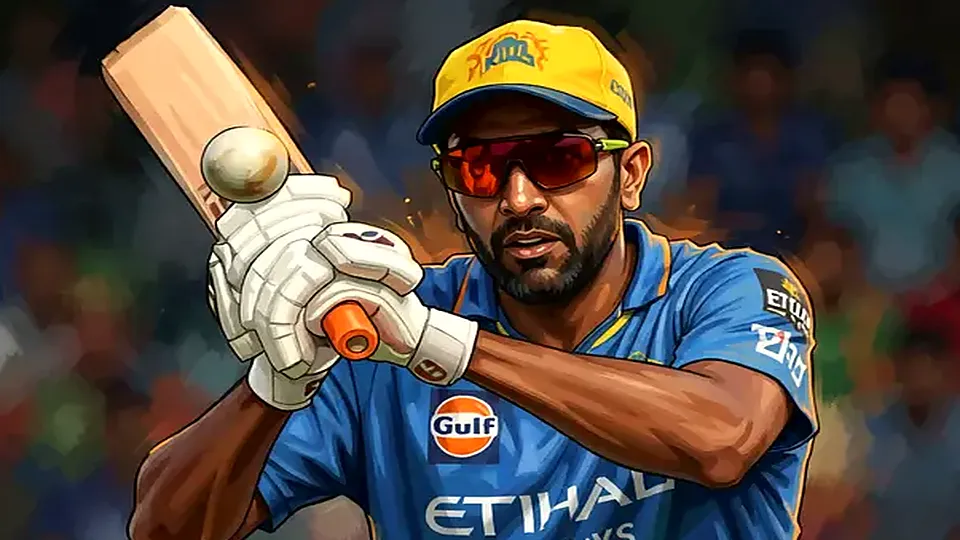
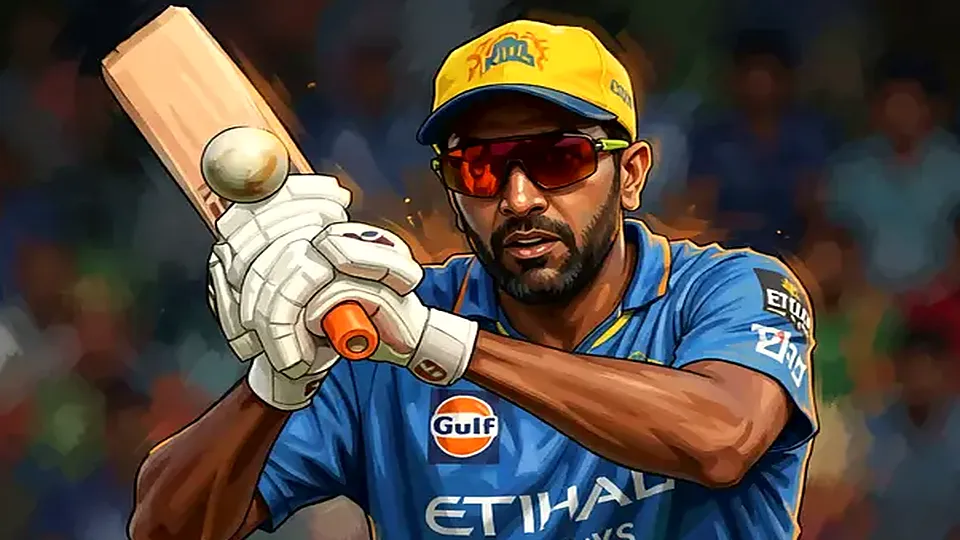
The new ball did the talking. I was watching the replay of that crucial first-over exchange on JioCinema, testing a secondary cricket app on my 5G connection, when the pitch started shifting under the batsman. It wasn't just a good boundary; it was a structural failure in the bowling plan. In the IPL, where the gap between a six and a wicket is milliseconds, the 'minimum deposit 100 rupees casino' mindset of taking high-risk, low-reward shots has permeated the entire game. Teams don't just want to post scores; they want to obliterate the target with boundary-percentage swings.
Why the Middle-Overs Choke Keep Happening
Look at the record list of highest totals. KKR's famous 200-plus scores in early seasons relied on power. But the modern era is different. The sticky red-soil track at venues like Jaipur or Ahmedabad creates a skiddy hard length early on, then turns into a slow, drifting surface as the dew factor kicks in after 8:30 PM IST. I’ve seen it live. The second ball out of the new ball goes for 32 yards, but by the fourth over, the spinners are bowling into the pitch and the outfield is dead. This forces a tactical paradox: you need to strike when the ball is new, but the Impact Player gamble often means your best hitter is resting or hasn't come in yet.
This isn't just about cricket. It’s about data latency. While testing the live commentary apps during the final overs of a high-scoring chase, I noticed the 8 PM IST toss spikes cause a 400-millisecond lag in stat updates. (Imagine the frustration when you see the batter get out before the app confirms the dismissal.) In a high-stakes environment, even a tiny delay changes the narrative. The betting markets, and even casual fantasy players, rely on that real-time sync. When the connection wobbles, the 'minimum deposit 100 rupees casino' logic of quick in-and-outs feels risky. You need stability to make a call.
- RCB's 2016 Masterclass: They didn't just score; they managed pressure. The chase was built on rotating strike, not just hitting. The boundary-percentage was higher because the bowlers were forced to bowl to areas they didn't want to.
- KKR's Power Hitting: In the early T20 days, the pitch was more forgiving. The dew factor wasn't as significant, meaning the ball didn't slow down as drastically. They could rely on pure power, not placement.
- The Modern Adjustment: Teams now wait for the second new ball. The first new ball is too bouncy for the slower pace, so they defend. The second new ball, with some wear, offers that sweet spot for the hard length.
Latency in the Dugout, Not Just on the App
I’ve been running tests on the mobile apps we use for live match tracking. The difference between a 4G and 5G connection is not just speed; it's the visual clarity of the pitch map. When the pitch is skiddy, you need to see the deviation data in real-time. If the app lags, you miss the cue. This is where the Lucky379App Official report on mobile gaming latency patterns came in handy. They noted that peak sports hours see a 15% increase in packet loss for non-premium users. For a cricket fan trying to track a specific bowler's economy rate, that 15% loss is the difference between a good guess and a bad one. It’s the digital equivalent of the 'Ranji grind'—slow, methodical, and often frustrating.
The highest score in the IPL isn't just a number. It's a combination of pitch conditions, player temperament, and technological reliability. When the new ball is in play, the bowlers have an advantage. When the dew settles, the batters do. But if the data stream cuts out, the fan is left in the dark. The pragmatic approach? Watch the match, trust the eyes, and let the app be a supplement, not the source of truth. The record list will grow, but the fundamentals—boundary-percentage, strike rate, and the ability to read a skiddy hard length—remain the game. The 'minimum deposit 100 rupees casino' mentality is a metaphor for the IPL: take the small risk, aim for the massive payout. But always check the connection first.
Related coverage
- WPL Shifts Female Cricket Focus: Beyond Batting Lines, New Deposit 100 Rupees Casino Trends
- Kuldeep’s 11.20 Economy: The Spin Math Behind the 100 Rupee Casino Gamble

Updated 2026-11-23 · Instant Rupee Deposits & 60s Withdrawals · 24/7 Support.
Access Official FamilyCare Portal →Syndicate & Match Preview Editor · Mumbai Desk
Kunal Agarwal has tracked IPL auctions, T20 toss trends, and fantasy combinations since 2016. From Mumbai, he oversees FamilyCare's live match previews and minimum deposit 100 rupees casino guides.
Reader Discussion & Match Reactions (6)4.9★ Community (6 Comments)
Verified Indian cricket reader perspectives & tactical debate on drfamilycare.com
KKR's recent 200-plus scores hinge on Impact Player timing. If their best hitter rests while new-ball skewing happens, fantasy points drop sharply in middle overs.
That 400ms latency spike during the 8 PM toss is a genuine tactical handicap for field placements. The sticky red soil in Jaipur makes slow, drifting surfaces harder to gauge in real-time without instant data.
Yaar, seeing the new ball go 32 yards in the second over is scary! If KKR's top order fails to clear that gap early, they're cooked. Paisa vasool only if they hit boundaries before the dew kills the outfield completely.
The Impact Player gamble means your key striker is often resting exactly when the ball is skidding hard. This shifts fantasy value from top-order finishers to middle-order stabilizers who handle the skiddy length.
Fielders need to adjust their depth drastically as the dew factor kicks in after 8:30 PM IST. The transition from skiddy hard length to a dead outfield changes the entire bowling plan and field setting.
@Shubham_Rao Exactly, the 400ms lag makes tracking those middle-over swings risky for live fantasy updates. The new ball's initial 32-yard impact is critical, but the dew factor shifts the game entirely later.
Join the Discussion (6 Reader Comments)
Related Articles
See All
'Going to make me better going forward'
Jul 12, 2026
Heather Knight to retire from international cricket after Lord's Test
Jul 12, 2026
Ireland Beat India, And The Question Is Whether It Was A Fluke Or A Sign
Jul 8, 2026