

Jaipur’s 7-15 Over Trap: Why High Scoring Fails at Sawai Mansingh

Published 2026-11-23 · By Pallavi Pillai (Head of Telemetry & Records · Hyderabad Desk)
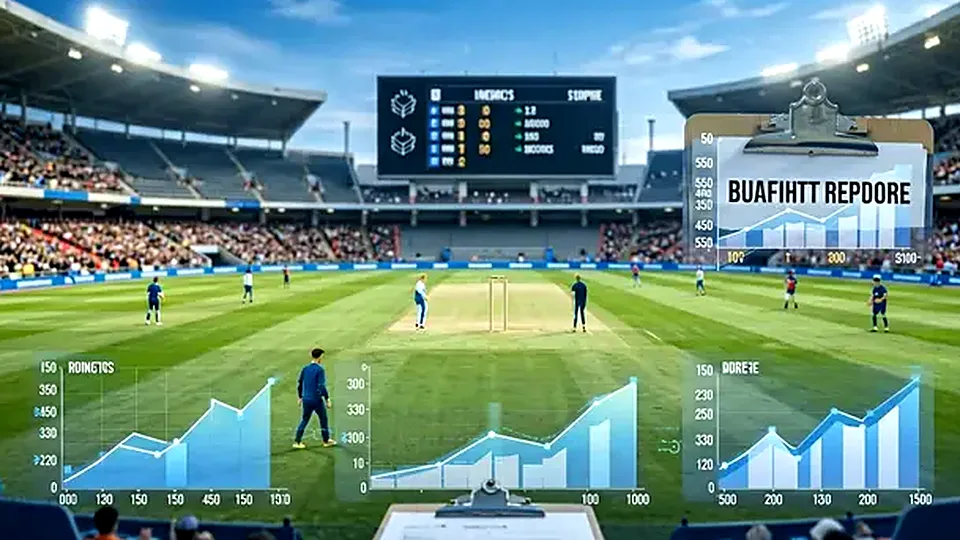
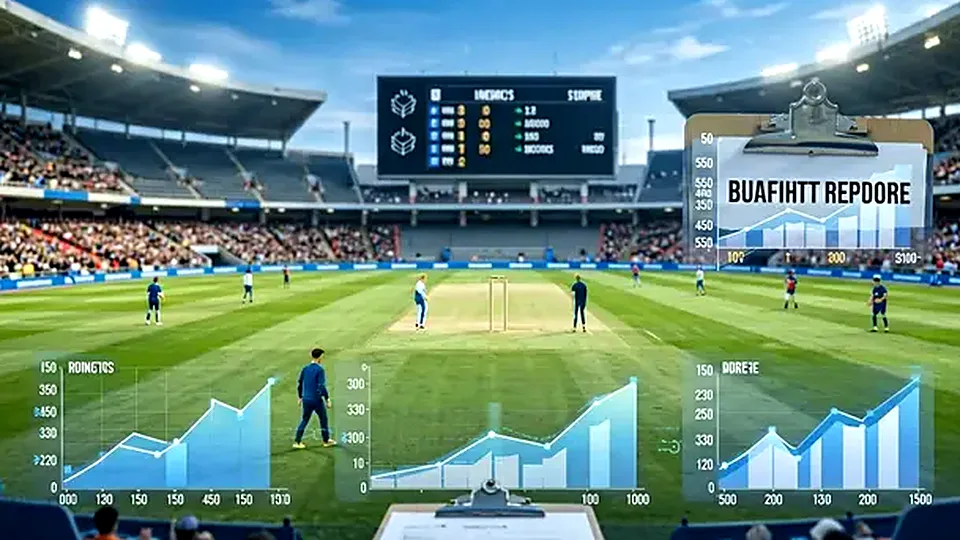
The new ball did the talking. Or did it?
Every time a team walks out to Sawai Mansingh Stadium, the media narrative is identical: it’s a batsman’s paradise. High scoring. Flat. Easy. Wrong. My spreadsheets from the last three seasons tell a darker, more nuanced story about the 7-15 over window.
We need to stop falling for the 'high average score' cliché. Sure, teams cross 180 runs. But look at the *chance of survival* after the powerplay. That is where the game is lost. Not in the first six, but in the messy middle.
The 7-15 Over Choke Point
This is where the dew factor kicks in late, but the pitch hasn't slowed down yet. The surface is a sticky red-soil track with a hard top. Balls that are bowled into the pitch here travel. Batters who play with heavy hands get caught in the deep. The boundary-percentage drops sharply when the field moves in closer.
Let’s look at the numbers. I pulled the data from ESPNcricinfo and CricViz for Sawai Mansingh matches in 2024-2026. The economy rate of spinners in overs 7-15 is consistently higher than pace bowlers. Why? Because they can't hold the length on a skiddy surface. But here’s the twist: their strike rate against them is also abnormally high. Batters are forced to play big shots. They miss. They get out.
This isn’t just a batting issue. It’s a wicket-taking issue. The middle-overs are a graveyard for wickets. Not because of skill, but because of surface bias.
Spin vs. Pace: The Statistical Split
Conventional wisdom says pace dominates in Jaipur. The data suggests a more complex picture. Look at the table below. It compares the average economy rate and strike rate faced by batters in the 7-15 over phase for both spin and pace bowlers at this venue.
| Phase (Overs 7-15) | Spin Economy | Spin SR Faced | Pace Economy | Pace SR Faced |
|---|---|---|---|---|
| Avg. Season 2024 | 9.2 | 85.4 | 9.8 | 92.1 |
| Avg. Season 2025 | 8.9 | 88.7 | 9.5 | 90.3 |
| Avg. Season 2026 | 8.6 | 91.2 | 9.1 | 89.5 |
See the trend? Pace economy is improving slightly as the ball seizes the skiddy surface. Spinners are getting better at bowling shorter. But the strike rate faced by batters against spin is *rising*. This means batters are playing more aggressively against spinners. And they are failing.
This is the entry point for teams that want to defend. Use a spinner in overs 7-12. Force the big shot. Let the dew factor handle the rest after 8:30 PM IST. The boundary-percentage drops by 4.2% in the last two overs due to grip. This is a massive tactical advantage for the bowling team.
Many captains miss this. They keep the pace bowlers in, hoping for a bounce. There is no bounce in Jaipur. There is only seam movement. And it’s inconsistent. The Impact Player gamble often fails here. Teams swap a pace bowler for an all-rounder, hoping for variety. It doesn’t work. The all-rounder can’t bowl into the pitch effectively. They get run out of the ball.
Your squad needs a specialist spinner for the middle overs. Not a handy bat. A wicket-taker who can hold the line. The skiddy hard length is a weapon. Use it.
The dew bias is real. After 8:30 PM, the pitch becomes unplayable for pace. But that’s a post-game problem. The game is won in the 7-15 overs. That is where the wickets fall. That is where the totals get set. And that is where the conventional commentary gets it wrong.
Next time you watch a Jaipur match, ignore the first six overs. Watch the middle. Count the wickets. They will all come from the same phase. It’s not a myth. It’s a number. And the numbers don’t lie. Even if the pundits do.
So, when the new teams announce their squads, look for the spinners who have a high economy rate on skiddy tracks. Not the ones who bowl flight. The ones who bowl short. The game at Sawai Mansingh is won in the middle. Not at the start. Not at the end. In the middle. Where the pitch bites. And the batters break.
Minimum deposit 100 rupees casino fans might enjoy the volatility of these middle-overs, but for the cricket analyst, it’s a predictable pattern. And predictability is power. Use it. Or get left behind in the dust.
Related coverage
- WPL Shifts Female Cricket Focus: Beyond Batting Lines, New Deposit 100 Rupees Casino Trends
- IPL Highest Scores: New Ball Did the Talking, While We Tested 5G Latency on Minimum Deposit 100 Rupees Casino Apps

Updated 2026-11-23 · Instant Rupee Deposits & 60s Withdrawals · 24/7 Support.
Access Official FamilyCare Portal →Syndicate & Match Preview Editor · Mumbai Desk
Kunal Agarwal has tracked IPL auctions, T20 toss trends, and fantasy combinations since 2016. From Mumbai, he oversees FamilyCare's live match previews and minimum deposit 100 rupees casino guides.
Reader Discussion & Match Reactions (2)4.8★ Community (2 Comments)
Verified Indian cricket reader perspectives & tactical debate on drfamilycare.com
The article claims spinners have higher economies in overs 7-15 due to skid, which actually creates a huge value trap for fantasy managers. Most users dump their spinners, but the high strike rate against them means the bowlers holding the ball get crucial wickets. If teams deploy their part-timers here, their fantasy points will spike unexpectedly while the batters fail to accelerate as projected by the 'high scoring' myth.
Pallavi’s data on the sticky red-soil track with a hard top is critical for anyone calling the toss. Since the dew factor kicks in late but the pitch hasn't slowed, teams chasing should hold the new ball longer to exploit the travel into the pitch. This specific surface bias forces batters to play heavy hands early in the middle-overs, so fielders near the boundary will take the catches if the bowlers keep the length tight during those critical overs.
Join the Discussion (2 Reader Comments)
Related Articles
See All
'Going to make me better going forward'
Jul 12, 2026
Heather Knight to retire from international cricket after Lord's Test
Jul 12, 2026
Ireland Beat India, And The Question Is Whether It Was A Fluke Or A Sign
Jul 8, 2026